Ecodunia
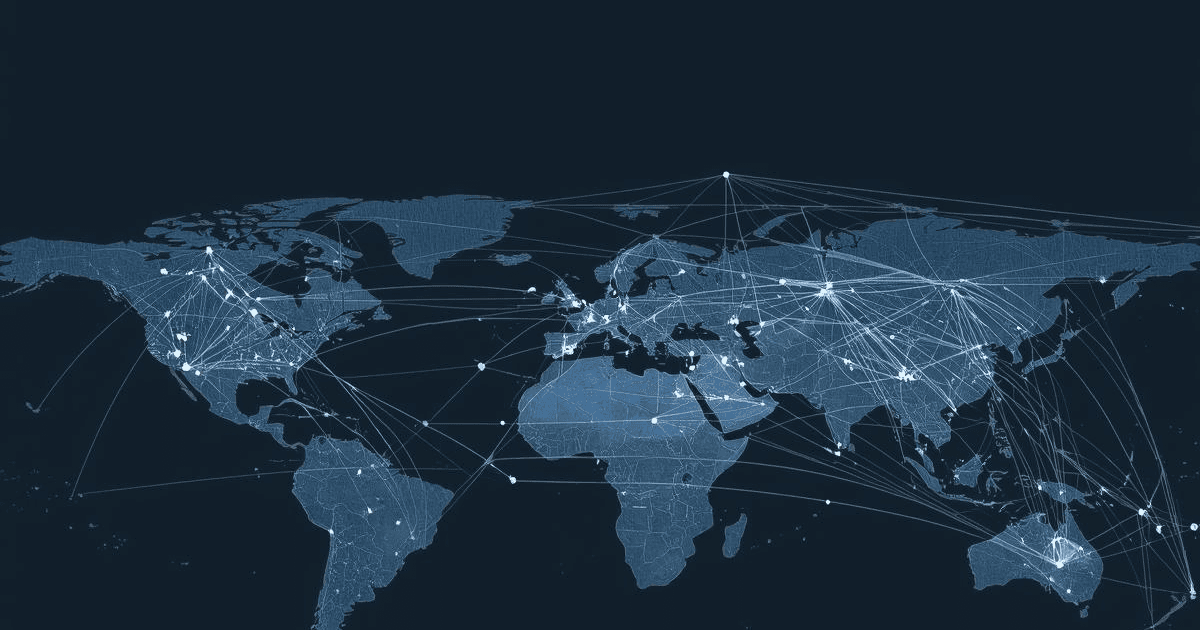
Cross-Border Distribution
Execution Environment:
The Ecodunia program operates within a multi-jurisdiction e-commerce distribution environment requiring coordination between marketplace platforms, fulfillment partners, and carrier networks.
Execution occurs across cross-border routes where classification accuracy, landed cost transparency, and policy enforcement must be applied prior to shipment release.
The environment includes distributed fulfillment nodes and marketplace-specific operational constraints that require normalized execution logic and synchronized status visibility.
Execution Flow
Marketplace order signals are ingested and normalized across channels.
Classification and landed cost logic are applied prior to release.
Policy validation governs routing and fulfillment assignment.
Carrier and fulfillment execution events are synchronized across systems.
A unified execution record is generated to capture decision and movement history.
Integration Surfaces
Upstream Systems
Marketplace APIs
Order management systems
Execution Layer
DistroLogic governance and orchestration layer
Downstream Networks
Carrier networks
Third-party fulfillment partners
Customs documentation workflows
Governance Scope
HS classification support and trade context validation
DDP landed cost modeling integration
Channel-specific policy enforcement
Exception handling and escalation logic
Cross-system state synchronization
Execution trace consolidation
Deployment Model
Overlay Governance Deployment
DistroLogic operates as an execution layer positioned between marketplace systems and downstream fulfillment networks.
The deployment preserves upstream system ownership while normalizing execution logic, enforcing policy, and generating unified trace records across distributed logistics partners.
Trace & Audit Model
All execution decisions and status transitions are captured within a unified trace structure aligned to cross-border documentation requirements.
Policy enforcement, cost calculations, routing decisions, and exception handling events are recorded in sequence to produce a defensible execution history.
This structure supports reconciliation, compliance review, and operational accountability across integrated systems and logistics partners.

Next Service